
Don't Compare Tanks. Compare Results.
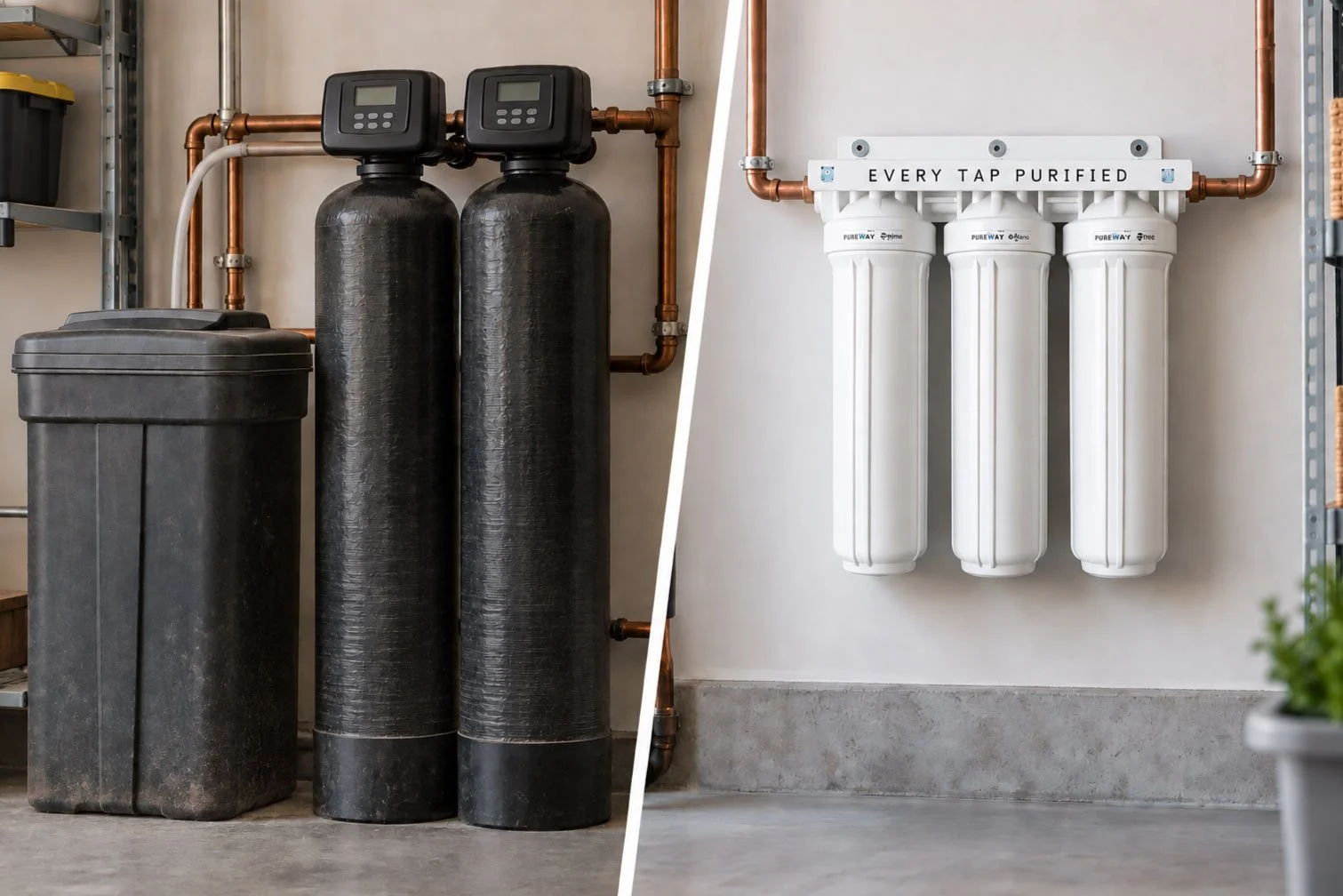
For whole-home water filtration, what matters most is what the system has actually been proven to reduce.
When homeowners start looking at whole-home water filtration systems, the equipment can quickly become confusing. Tanks, cartridges, filters, stages, media, flow rates, and long lists of contaminants all start to sound alike. But there is a much easier way to compare water filtration systems. Don't just ask what a system says it filters.
“Ask what it has actually been tested to reduce. That’s an important difference,” says Paul Bailey, co-owner of Pure Way Filtration. “For homeowners, the takeaway is pretty simple. Don’t compare equipment. Compare results.”
A company can say its system is designed to reduce PFAS, chloramine, lead, or other unwanted substances. Independent laboratory testing goes a step further by putting a filtration system under controlled conditions and measuring what happens to the water after it passes through.
A Big Tank Doesn't Necessarily Mean Better Water
Water filtration equipment comes in all shapes and sizes. Some systems use large tanks. Others use multiple tanks or cartridges. Some require salt, electricity, or backwashing. Others don't. None of that, by itself, tells you how well the system filters your water.
Think about buying a car. You wouldn't choose one simply because the engine looks impressive when you open the hood. You'd want to know how it actually performs. Approach whole-home water filtration the same way. The question isn't "How impressive does this equipment look?" Is it proven to solve my water problems?
BCS Laboratories independently evaluated Pure Way's three-stage whole-home filtration system using ISO/IEC 17025-accredited laboratory methodologies. Instead of testing only for chlorine taste and odor, the system was challenged across a much broader range of substances.
The results included:
>99.3% reduction of PFAS in a challenge containing six PFAS compounds
99.6% reduction of chloramine
99.93% reduction of total trihalomethanes (TTHMs)
>98.7% reduction of haloacetic acids (HAAs)
99.94% reduction of VOCs
>99.92% reduction of dissolved lead
99.9% reduction of microplastics
>99.3% reduction of tested pharmaceuticals and personal care products
Separate laboratory challenge testing also evaluated the system against microbial and particulate challenges. You can review Pure Way's testing information and certifications on our Testing & Certifications page.
That Chlorine Smell Isn't the Only Thing Worth Asking About
Many homeowners start thinking about filtration because they don't like the chlorine smell or taste of their tap water. That's certainly part of the conversation, but it's not the whole story. Pure Way's independent testing looked beyond chlorine to substances including chloramine, PFAS, lead, VOCs, microplastics, and two categories of disinfection byproducts known as TTHMs and HAAs. That matters because a system advertised as a "whole-home water filter" doesn't automatically tell you which substances it reduces or by how much. A better question is: Where are the results?
What Should I Ask Before Buying a Whole-Home Water Filter?
A few straightforward questions can tell you a lot.
What has this particular system actually been tested to reduce? Look for measurable results instead of relying solely on a long list of contaminants.
Was the testing performed independently? There is a meaningful difference between a manufacturer's general claim and results measured by an independent laboratory.
Does it treat water throughout my home? Find out whether you're comparing whole-home filtration with a drinking-water-only system.
What does the system require to operate? Ask about salt, electricity, wastewater, backwashing, and routine maintenance.
Can I see the testing? A reputable water-treatment company should be comfortable answering it.
Better Water Should Come With Better Answers
“When two water filtration systems look similar sitting in a garage, the equipment only tells part of the story. Don't compare tanks. Compare results.”
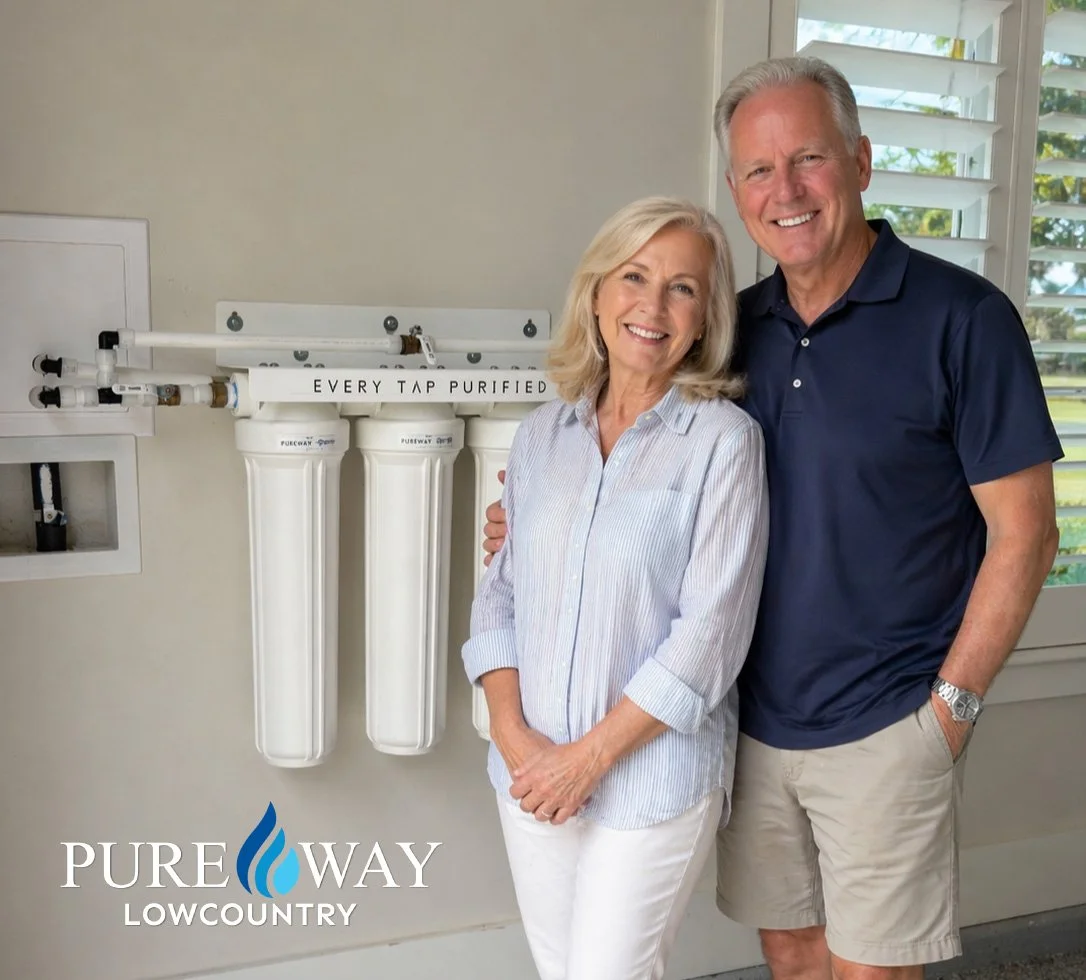
Pure Way didn't pursue independent testing simply to put impressive percentages on a website. Homeowners deserve to understand what they're buying. Pure Way's system combines three-stage whole-home filtration with a design that doesn't require salt, electricity, or wastewater for normal filtration. More importantly, we can show homeowners measurable laboratory results for many of the substances they're most likely to ask us about.
