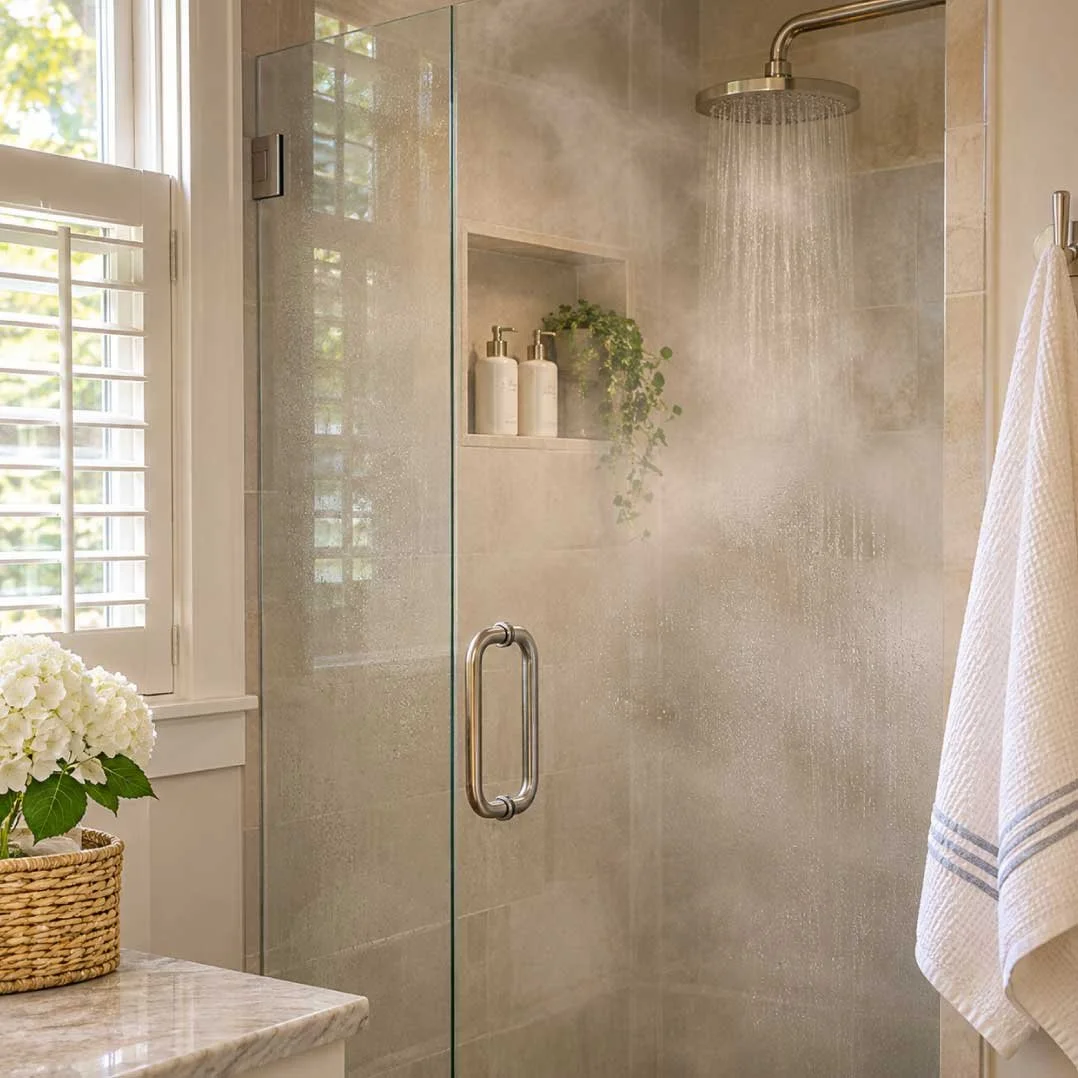
Cooler Weather, Hot Showers, and the Water Running Through Your Home
Cooler mornings, hot showers, and why your home's water quality deserves attention this winter.
Winter in the South Carolina Lowcountry may be mild compared to other parts of the country, but cooler mornings can still make your home's water heater work a little harder. From Hilton Head Island and Bluffton to Charleston and Summerville, homeowners depend on hot water for comfortable showers, laundry, washing dishes, and countless everyday activities.
As temperatures drop, it's a good time to check on your water heater and consider something that often gets overlooked: the quality of the water flowing through your home's plumbing and appliances. A little seasonal attention can help you stay ahead of maintenance concerns while making more informed decisions about your household water.
Why Your Water Heater May Work Harder During Winter
Your water heater brings incoming water up to a temperature suitable for everyday household use. During the cooler months, incoming water temperatures may be lower than they were during the summer. That means your water heater needs more energy to reach the same desired temperature.
Even in coastal communities like Hilton Head Island, Bluffton, and Charleston, seasonal changes can affect water heating demand. This doesn't necessarily indicate a problem. However, winter provides a convenient opportunity to inspect your system and make sure everything is functioning properly.
Water can carry naturally occurring minerals and fine particles, even when it looks perfectly clear. In traditional tank-style water heaters, sediment may gradually accumulate at the bottom of the tank. Some mineral deposits can also form as water is heated. Over time, buildup can contribute to unusual noises, reduced heating efficiency, and additional wear on certain components.
Many manufacturers recommend periodic maintenance, including tank flushing when appropriate. The correct schedule depends on your water heater, household water conditions, and the manufacturer's instructions. Tankless water heaters have different maintenance requirements, which may include periodic descaling.
Simple Water Heater Checks Before Winter Arrives
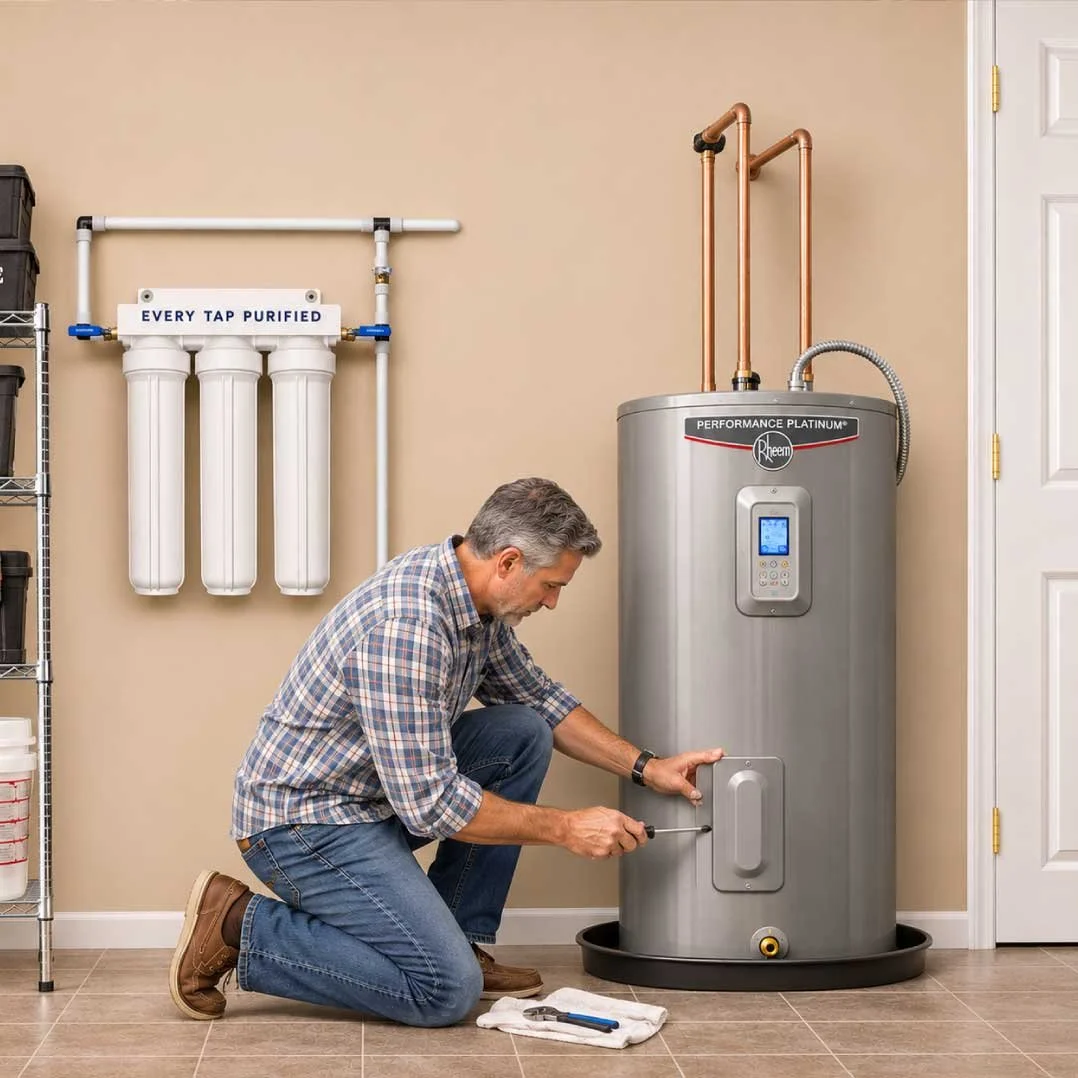
You don't need to be a plumbing expert to recognize a few potential warning signs. Take a moment to look around the base of your water heater for moisture or leaks. Listen for unfamiliar popping or rumbling noises while the unit is heating water, and check for noticeable changes in hot water performance.
It's also worth reviewing the temperature setting against the manufacturer's recommendations. Approximately 120°F is a common household setting, although specific equipment and household needs may require different settings.
If you notice anything unusual, have a qualified plumbing professional inspect the system rather than attempting repairs yourself. A few minutes of observation can help you recognize potential problems before they become more expensive.
How Whole-Home Water Filtration Fits Into the Picture
Water heater maintenance is important, but it's only one part of understanding the water your household uses. Pure Way Lowcountry offers an engineered three-stage whole-home water filtration system designed to address specific water-quality concerns before water travels throughout the home.
Depending on the system's verified performance, filtration can help reduce sediment, chlorine, chloramine, certain treatment byproducts, and unwanted tastes or odors. Unlike a single-faucet drinking water filter, whole-home filtration treats water at the main entry point, supplying filtered water to connected showers, bathroom sinks, kitchen fixtures, and household appliances.
Pure Way's system is designed to operate without salt, electricity, or wastewater discharge while supporting household water flow. It's important to understand that filtration does not replace water heater maintenance or conventional water softening. Each serves a different purpose.
Water Quality Matters in Hilton Head, Bluffton, and Charleston Homes
Water quality isn't necessarily identical from one Lowcountry neighborhood to another. Homes in Hilton Head Island, Bluffton, Okatie, and Hardeeville may receive water from different municipal systems or private wells. The same is true throughout the Charleston area, including Mount Pleasant, Summerville, and surrounding communities.
Water sources, treatment processes, distribution infrastructure, and household plumbing can all influence the characteristics of the water reaching a particular home. That's why understanding your own household water is more useful than assuming every home in the region has the same concerns.
A professional in-home water quality analysis can help identify certain measurable water characteristics and provide an opportunity to discuss filtration options. Specialized laboratory testing may be needed to identify specific contaminants.
